
This is an evaluation guide, written for a buying process rather than a browse. It covers what to agree internally before you take demos, the features to compare across vendors, what drives price, the questions to ask a provider, and how to run a pilot on your own data before you sign. A condensed scorecard version lives in our guide to evaluating carbon accounting software, and our buying process page sets out what working with Gravity looks like.
What is carbon accounting software?
Carbon accounting software is the system of record for a company's greenhouse gas inventory. It does four jobs.
- Data collection. Pulls utility bills, meter and fuel data, ERP and procurement spend, travel records and supplier responses into one place, ideally through integrations and document scanning rather than manual entry.
- Calculation. Applies emission factors to each activity to produce Scope 1, 2 and 3 emissions in tonnes of CO2e, with the factor source and version recorded against every number.
- Reporting. Formats the same inventory for each framework a company reports to, such as CSRD, CDP, SB 253, SECR and SBTi, plus internal and board reporting.
- Reduction. Models targets, tracks reduction projects and measures whether they delivered, which is where energy and cost savings show up.
Terminology varies between vendors. A carbon accounting tool, carbon management platform, emissions accounting software and ESG reporting suite often describe overlapping products, so compare on the four jobs above rather than on the category name. If you are new to the underlying method, start with our carbon accounting guide.
How to Find the Right Carbon Accounting Platform
Amidst volatile energy prices, new regulatory requirements, and rising consumer demand for environmental responsibility, companies increasingly need to measure, report, and reduce their greenhouse gas emissions. However, many organizations lack the necessary expertise, tools, and time to effectively manage their carbon emissions and instead look to find a carbon accounting solution to manage the process. These providers simplify the process, assisting with everything from data collection and calculations to reporting and project planning.
There are myriad carbon accounting options available – from consulting services to software providers – and finding the right solution for your company can be challenging.
This guide walks you through how to assess different carbon accounting solutions and purchase the right solution for your company’s needs:
- Understand Your Needs and Prepare Your Team: What steps you need to take and questions you need to align on internally to run an efficient selection process.
- Features to Look for in a Carbon Accounting Solution: Key features to look for and questions to ask to ensure you understand what the solution offers.
- How to Evaluate Carbon Accounting Providers: How to effectively assess providers, run a pilot, and find the best solution for your company.
Step 1: Understand Your Needs and Prepare Your Team
Before assessing different carbon accounting solutions, you should take stock of what your business will need and define your goals around carbon emissions management. This is also an excellent opportunity to secure buy-in from your leadership team to purchase a solution.
Questions to ask:
Purchasing
- Who will need to be involved in this project?
- Who will use the platform or service?
- What timeline are you working under?
Carbon Accounting and Reporting
- Are you measuring Scope 1, Scope 2, and/or Scope 3 emissions?
- What is your level of expertise and confidence with navigating the changing carbon reporting requirements?
- Are you looking to measure based on estimates or primary data?
Carbon & Energy Reduction
- Are you looking only to report or are you striving to reach a reduction goal?
- Have you set those goals or do you need help reaching them?
ESG Data
- Do you also need to collect and measure ESG data? Would you like to do that on the same platform?
Regulatory
- What are the industry-specific reporting requirements you will need to align with?
- What are the country-specific reporting requirements you will need to follow?
Logistical
- How many locations do we have?
- What resources do you have available to support this project? How much support will you need?

Step 2: Key Features to Look for in a Carbon Accounting Solution
Data Collection and Cleaning
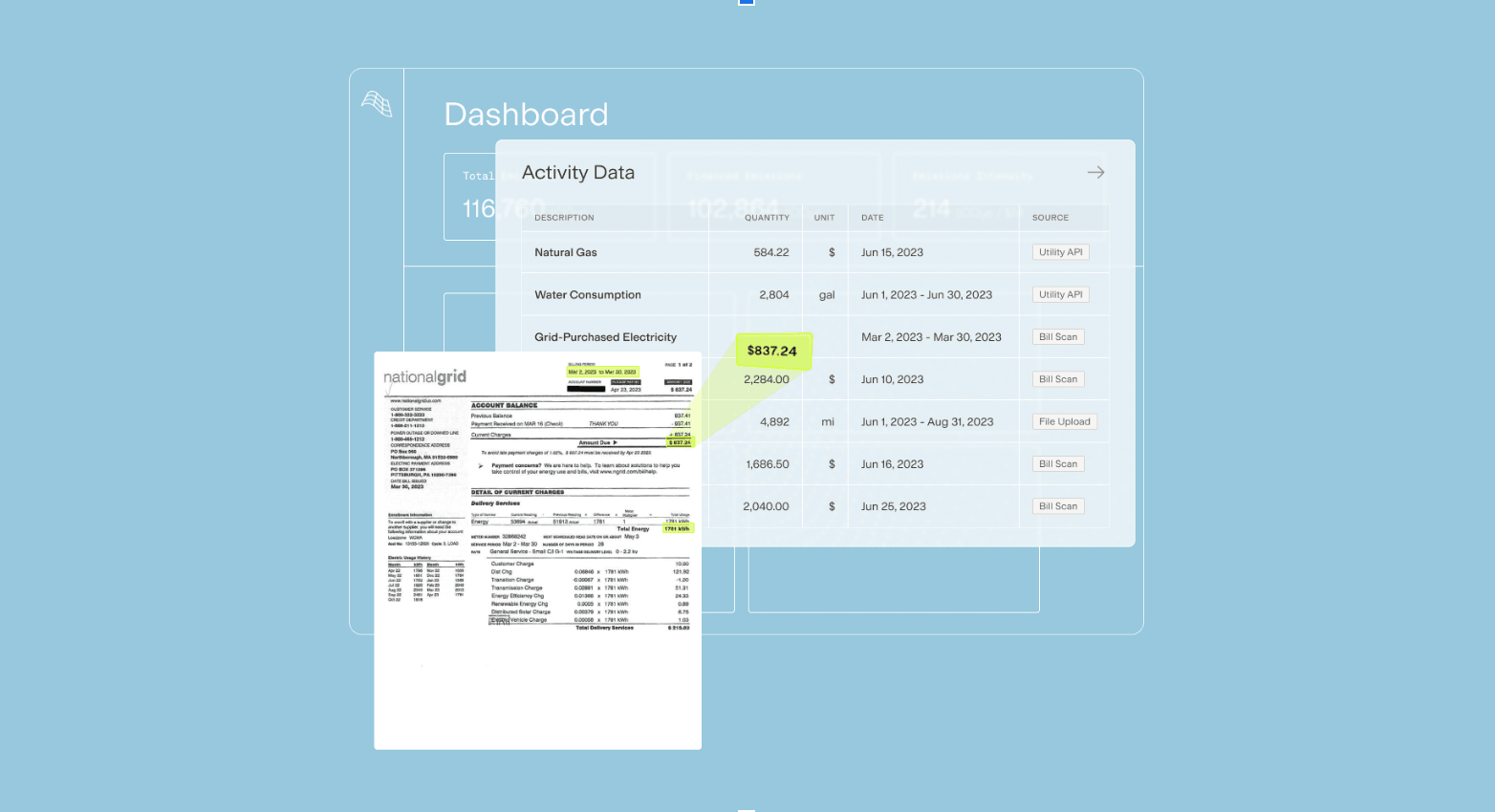
One of the most time-consuming parts of measuring emissions is collecting the right data and organizing it for calculation. Ensure your carbon accounting solution makes it simple to collect, upload, and process the necessary carbon accounting data. Key features to look for include flexible spreadsheet ingestion, automatic bill scanning, and utilities integrations
Questions to Ask:
- What mechanisms and methods does the software use for data ingestion?
- Is the software flexible to the formats of data you have or does it primarily require uploads via templates?
- Are there any ways that data collection is automated?
- How does the platform use AI to assist with data collection?
- Can it handle both quantitative and qualitative indicators?
- Is the software able to import historical data from past reporting periods?
Supplier Engagement
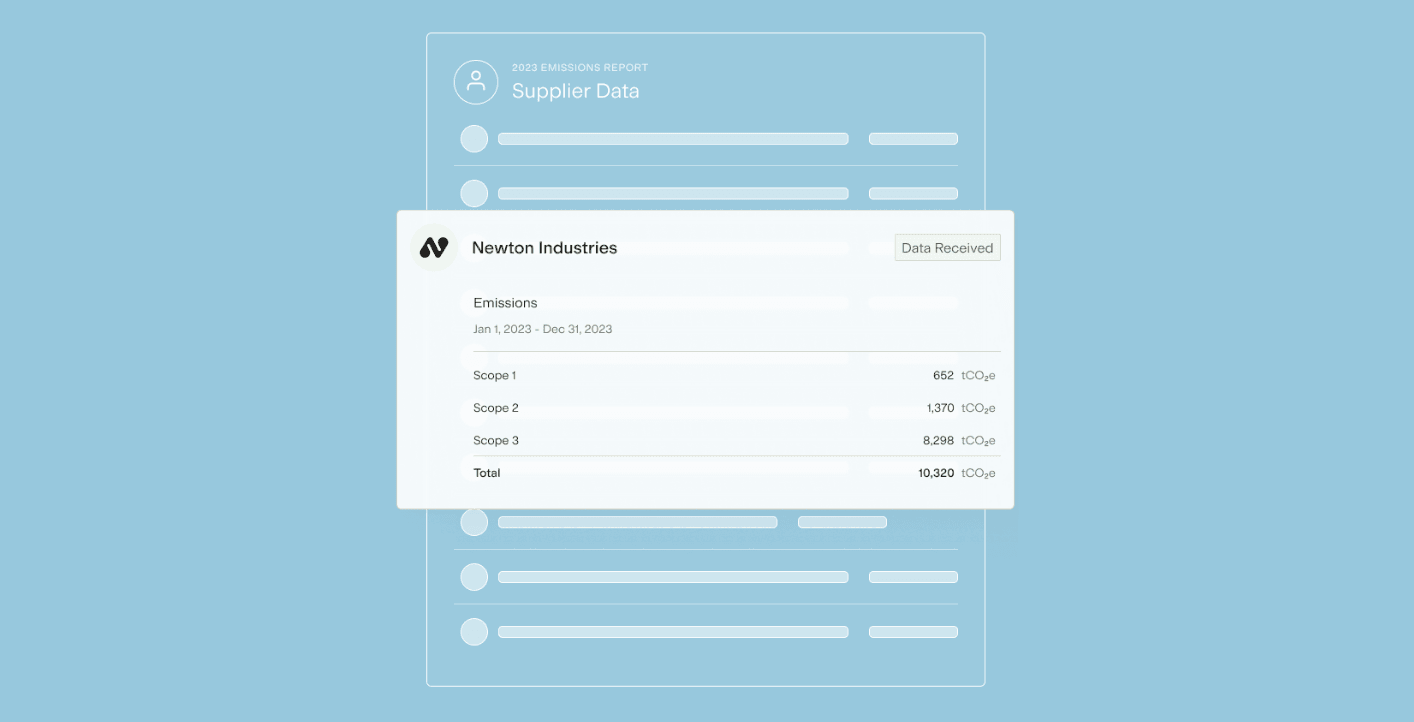
If you plan on measuring Scope 3 emissions, you need to find a solution that makes collecting supplier data seamless, efficient, and accurate. While you may be able to start with measuring based on estimates, it makes sense to future-proof your investment and partnership by having the capacity to easily engage suppliers and collect primary data.
Questions to Ask:
- How does this system collect data from suppliers?
- Does this system rely on estimates or primary data?
- How easy is it to track progress?
- Do suppliers enjoy using the platform?
- How easy is it for suppliers to collect this data?
- Do suppliers get any other advantages from the platform?
- How can you see data from suppliers?
- Can you assign key roles to assist with project management?
ESG Data
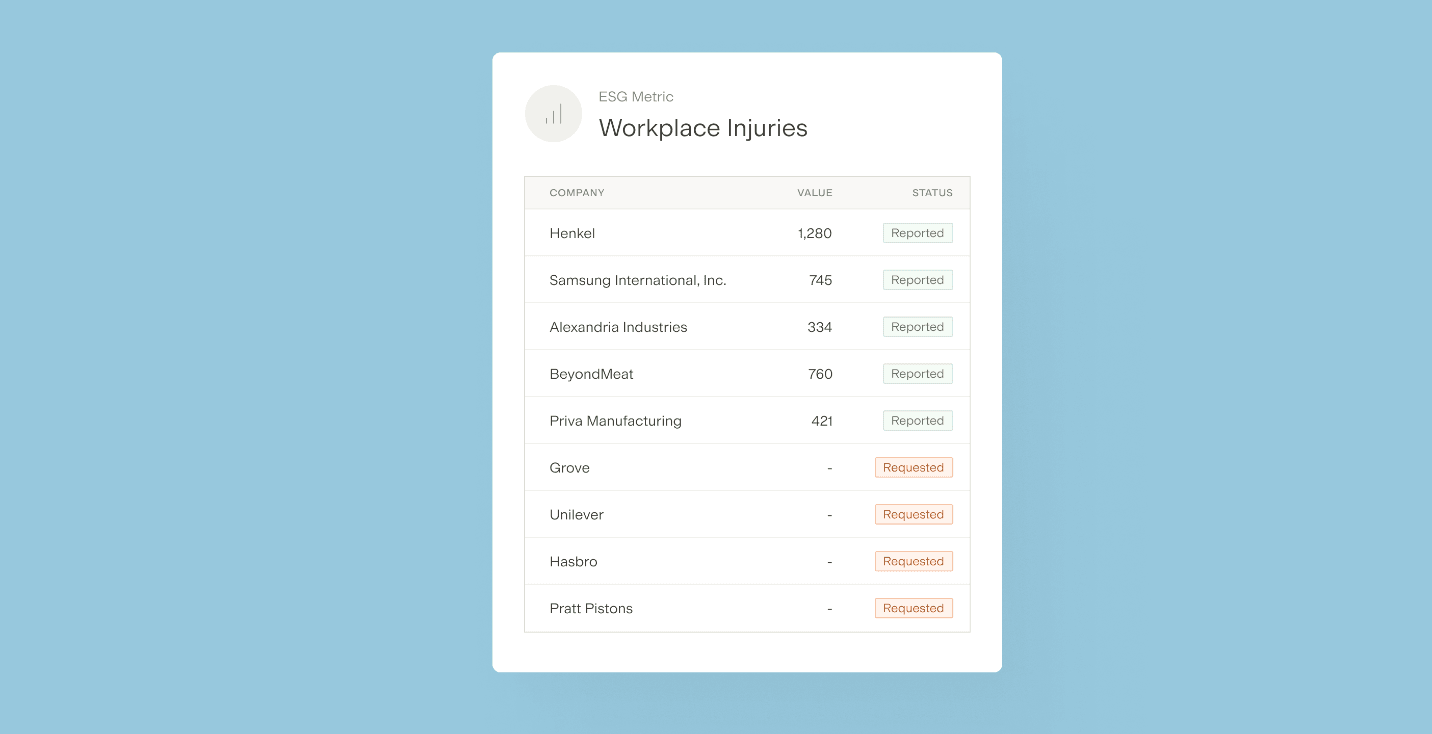
If you are looking for a platform that can also measure ESG data, such as diversity, waste or water usage, or work-related accidents, make sure your software system or consultant can measure that data, as well. This can be critical if you are reporting to frameworks like the EDCI.
Questions to Ask:
- Does the system also measure waste and water usage?
- How does the software handle social and governance metrics, such as diversity and inclusion and corporate governance?
- Does it offer the ability to track the effectiveness of initiatives?
- Are there APIs to simplify ESG data collection?
Measurement and Data Accuracy
It’s important to dive into exactly how the solution measures emissions and also what it can measure. As you consider the different capabilities, remember that your needs may grow and evolve. Even if you only need to do an estimate now, it may be good to consider a provider that can do a real-world analysis, as well so that you’re prepared for the future.
Questions to Ask:
- What methodologies does the system use?
- Does this solution use estimates or primary data?
- Can the system measure Scope 1, Scope 2, and Scope 3 emissions?
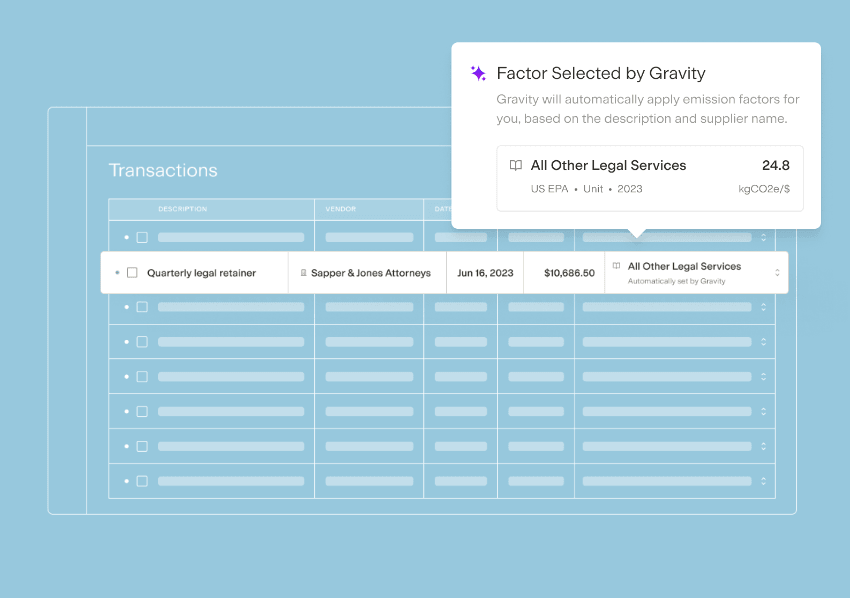
- How does the software handle emission calculations?
- Can the software do custom emissions factors?
- Can the software handle market-based and location-based emission calculations?
- How does it maintain data quality and ensure accuracy and reliability?
- Can the software automatically detect duplicates or anomalies?
- Does the software have features for data validation and verification?
Reporting
Once you’ve measured your data, you need to be able to report it. As you explore this, determine how much effort you will need to put into reporting, the breadth and depth of reporting offered, and how the data can be organized and shared.
Questions to Ask:
- Does it show YoY progress or can it report for the most recent year?
- How auditable is the reporting data?
- Does the software align with current and upcoming ESG reporting standards?
- Can the software provide customizable reports for both voluntary and regulated disclosures?
- Is the software able to generate ESG reports at different hierarchical levels?
- How does the software empower you to report?
- How much work will be required from you to report?
- How does it assist with reporting to customers or other stakeholders?
Disclosures to Include:
- Regulatory and Legal: Corporate Sustainability Reporting Directive (CSRD), Sustainable Finance Disclosure Regulation (SFDR), U.S. Securities and Exchange Commission (SEC)
- Industry Standards: International Sustainability Standards Board (ISSB), Carbon Disclosure Project (CDP), Global Reporting Initiative (GRI)
- Customer: Walmart, Microsoft, Unilever, Apple

Decarbonization and Emissions Reduction Planning
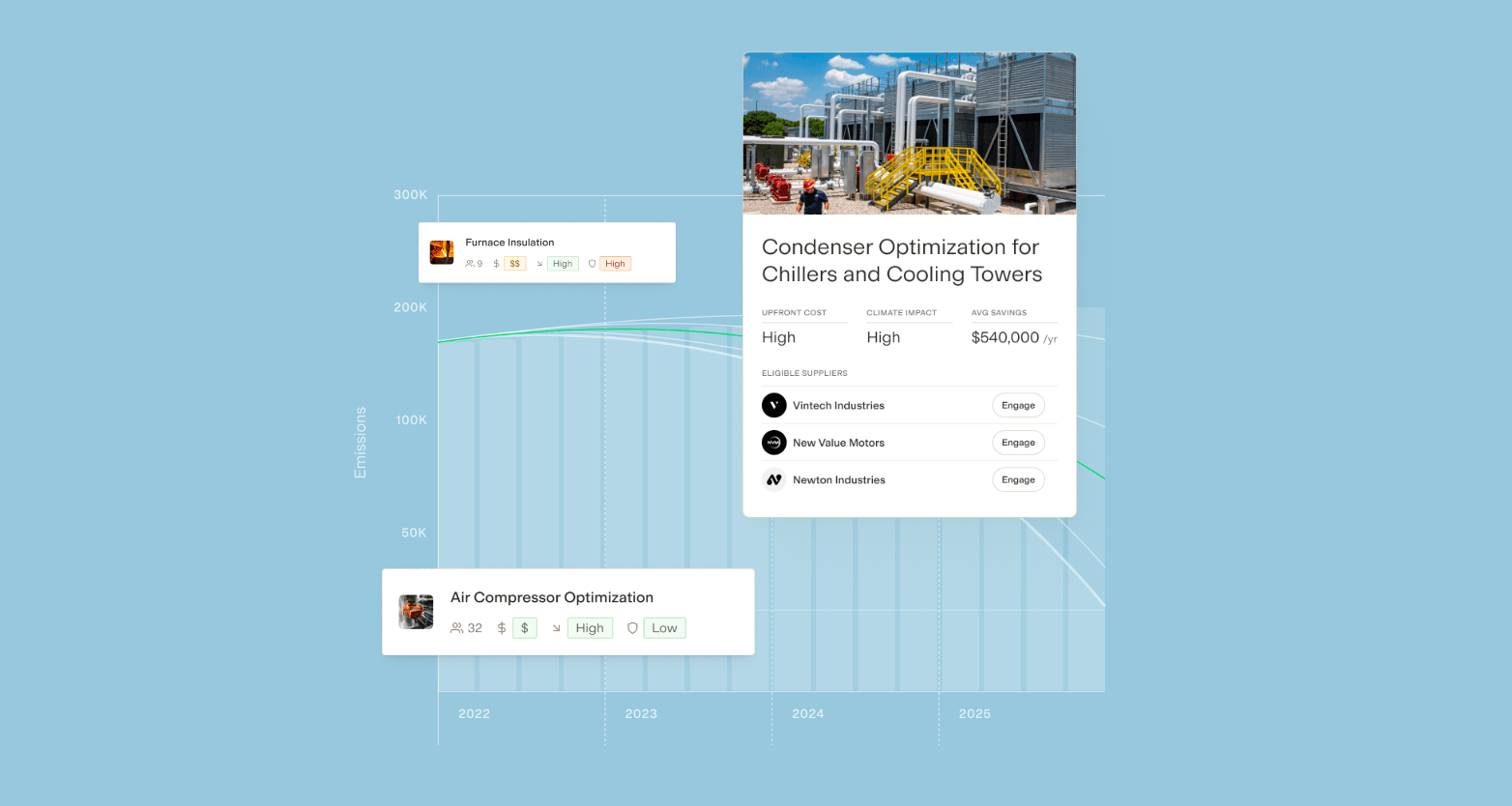
For best results, look for a solution that will not only help you measure and report on your emissions, but can help you identify decarbonization activities and help you build a plan to lower emissions.
Questions to Ask:
- Does this platform help you identify opportunities for decarbonization?
- How specific are the projects and impact calculations to your own operations?
- Does the system go beyond offsets to identify energy efficiency projects?
- Does this platform help you set achievable goals?
- Does this platform help you identify potential project costs and reduction?
Energy Project Implementation
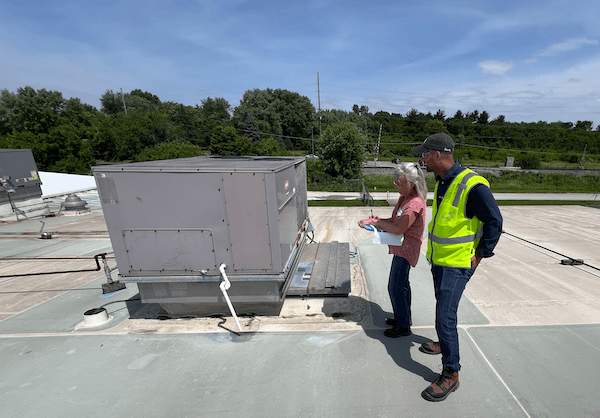
In addition to identifying opportunities, some providers will help you identify the potential impact in terms of cost reductions and emission reductions of implementing projects. And a few can actually help you execute those initiatives with project management tools, partnerships with trusted-providers, and opportunities for financing.
Questions to Ask:
- Does this platform assist in the actual execution of decarbonization projects?
- Does this platform have project management tools?
- Does this platform offer a marketplace of providers?
- How does this platform assist with financing?
- How tailored are these decarbonization projects to my emissions?
Climate Support and Expertise
Determine if this partner has the scope of knowledge required to help you navigate changing environments and the industry-specific knowledge about reporting requirements and sources of emissions. Ensure that your solution can help answer critical questions about carbon reporting policy, climate guidance, new regulations, and key terms.
Questions to Ask:
- How do you stay on top of climate change policy?
- What assistance is available for people new to climate or for veterans looking to understand the latest?
- How do you help customers navigate changing regulations?
- Do you offer 1:1 support or only generalized advice at scale?
- Who else have you worked with in this industry?
- If they are familiar with key industry reporting frameworks?
- If they can process data relevant to your industry?
Technical Support
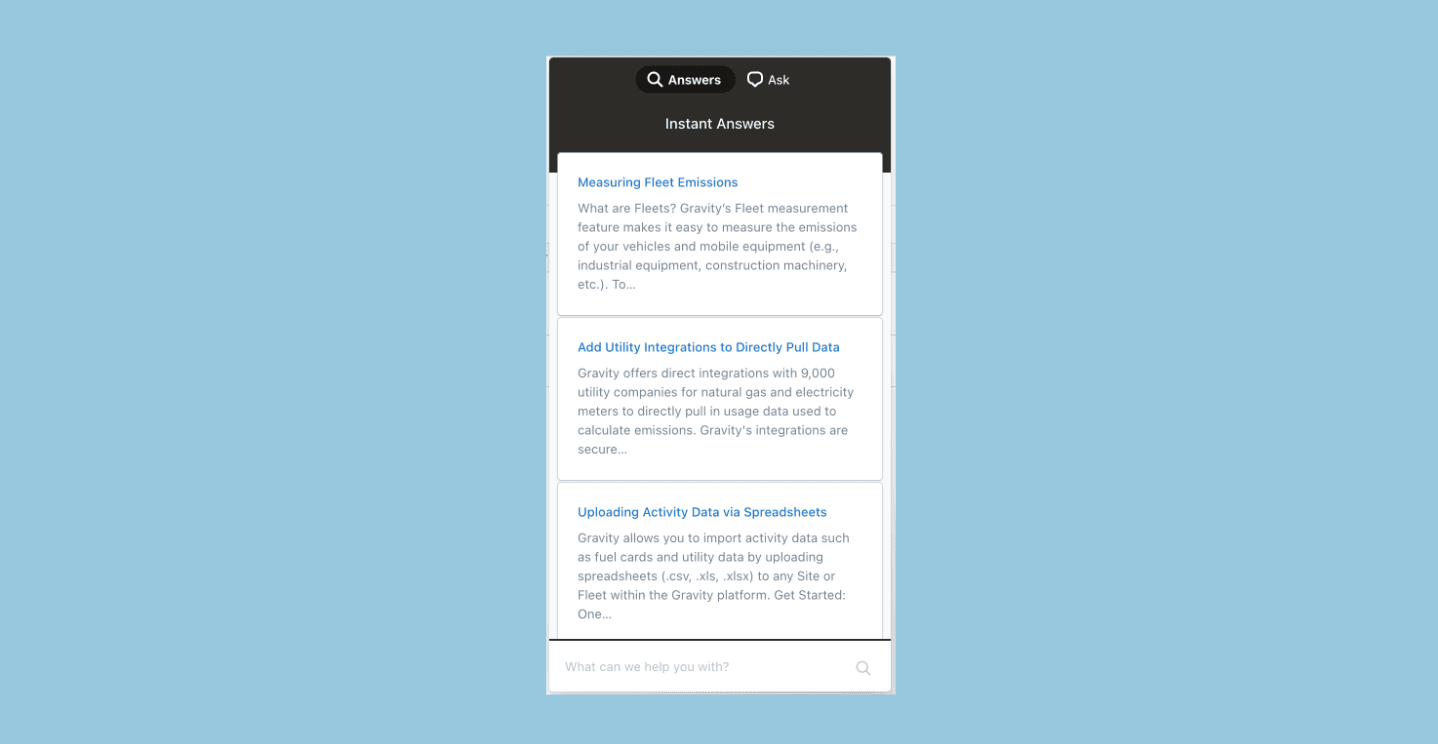
In addition to climate support, ensure the carbon accounting solution offers comprehensive technical support and can help you navigate how to efficiently use the platform.
Questions to Ask:
- What type of technical support is available?
- Can I request new features?
- How can I provide feedback about the platform?
- How long does it take to receive a response?
Implementation
Determine how long it will take to set up the system and analyze what support is available as you onboard from both a software and climate expertise perspective. In addition, understand if there are costs associated with this support and how they compare to other companies.
Questions to Ask:
- What types of implementation support is available?
- Is implementation an additional cost?
- Is implementation support individual or automated?
- Will they help you set up the software and help you understand your climate reporting needs?
- Do they offer advice and additional support?
Ease of Use
One of the key points of your assessment will be ease of use. You can have the most incredible system in the world, but if your team cannot understand how to use it, it will be worthless. You’re looking for a system that offers an incredible array of features and functionality, but that is intuitive to use, even for people who are new to the software or to carbon accounting.
Questions to Ask:
- How user-friendly is the software’s interface?
- How long does it take to become familiar?
- Are there guided experiences for people who are less familiar with climate?
- Are there guided experiences to learn the platform?
- Ask for a demo to see the platform and to see if it feels intuitive to you.

Customization & Integration
Carbon management and reporting is not a one-size fits all solution. It needs to be able to measure many different inputs depending on your industry, align to different frameworks for reporting, and integrate with your existing solutions, so ensure that you can customize and configure the software to your needs.
Questions to Ask:
- Does it offer customizable dashboards and visualization?
- Can I customize my reporting?
- How does this integrate with other platforms?
- Does this solution enable APIs to connect data sources?
Rate of Innovation
With changing regulatory requirements, ensure you find a partner that will continue to evolve. You should examine how they develop new features and how frequently they ship new solutions so that you future-proof your investment.
Questions to Ask:
- How frequently do they release new features?
- What is the timeline for future releases?
- How do they build their product roadmap?
- How do you incorporate customer feedback into your product?
Cost
Assess the pricing structure and ensure it delivers ROI. Make sure to dive into the pricing structure, assess what you receive for that price, and ensure that it delivers ROI. The cheapest option may be attractive, but you should make sure you are getting all the features and support you need, as well as feel that this can be a partner for the long-term.
Questions to Ask:
- What are the licensing and service options for the software?
- Are there any additional costs for software updates or configuration?
- How does the software deliver ROI in terms of energy savings or operations improvements?
- What savings or ROI have other users seen?
- How does this compare to other software on the market?
What does carbon accounting software cost?
Vendors rarely publish list prices, because scope drives the number. These are the variables that move a quote, and the ones worth pinning down before you compare proposals.
- Boundary size. Number of legal entities, sites, meters and countries in the inventory.
- Scope 3 depth. Spend-based estimates across all categories cost less than supplier-specific data collection from hundreds of suppliers.
- Frameworks. Each additional regulated disclosure, such as CSRD or SB 253, usually adds implementation and assurance support.
- Services versus software. Some providers sell a licence and leave you to run the process. Others include a named climate expert. Consultants often price per report, which looks cheaper in year one and does not leave you with a system.
- Implementation and integrations. One-off fees for connecting utilities, ERP and HR systems, and for migrating history so year-on-year comparisons survive the switch.
Ask for a three-year total cost, including implementation, additional entities, extra frameworks and verification support, and compare that against the internal hours spent today. Our build versus buy comparison works through the in-house option, and software versus audits covers the consultant-led route.
Carbon accounting software vs spreadsheets vs consultants
Three approaches are in the market, and most companies try them in this order.
- Spreadsheets. Cheap to start and adequate for a first Scope 1 and 2 inventory at a handful of sites. They break on audit trails, factor version control, restatements and multi-framework reporting, and the knowledge leaves when the analyst does.
- Consultants. Useful for judgement calls such as materiality and target setting. Reports arrive annually, cost recurs annually, and the data usually stays with the consultant, so the inventory is hard to reuse or defend later.
- Software with expert support. The inventory lives in one system with evidence attached, and the same data serves every framework. This is the model that holds up under third-party verification, which is now mandatory under SB 253 and CSRD.
Questions to ask a carbon accounting vendor
Take the same list into every demo, and ask for the answer to be shown in the product rather than described.
- Which of my data sources can you connect to directly, and which will my team key in?
- Show me one tonne of CO2e traced back to the source document, the factor used and the factor version.
- What happens when a factor set or a utility bill is restated after I have reported?
- Which frameworks can you generate without an export to spreadsheet, and who signs off the mapping?
- How do you collect supplier data, and what response rate do your customers actually get?
- Who will I work with after implementation, and are they a support ticket or a named climate expert?
- What did your last customer verification look like, and which auditors have worked with your evidence trail?
- What is the three-year cost, including implementation, extra entities and each additional framework?
For reference points outside vendor material, Gravity's positioning is covered in the Verdantix Green Quadrant for enterprise carbon management software, and customer outcomes are documented in our customer stories.
Step 3: How to Evaluate Carbon Accounting Providers
As you narrow down the list of carbon accounting providers, you should make sure to evaluate the different solutions. Things you can do to conduct due diligence include:
- Do a pilot with your data: Ask the vendor to show you an example of uploading a snippet of your own data into their platform.
- Speak with customers: Ask for a customer reference to understand their experience with the solution. Dive into how easy it is to use and their overall experience, what it is like to work with the provider on climate strategy, the level of support they have received, and the platform’s openness to product feedback and development.
- Review past projects: Ask to see case studies or speak to customers in similar situations or industries to see the impact of the solution.
- Assess potential ROI: Explore the initial investment against the potential outcomes. See if there are pathways for energy and cost reduction, or if they can estimate potential savings.
Need Help Finding the Right Carbon Accounting Platform?
If you’re looking for a new carbon accounting system and not sure where to start, please reach out to our team. We’d be happy to advise you on how to navigate this process and determine if Gravity might be the right fit for you.